Skip to content

For any business, the floor is more than just a surface; it’s a critical component of the overall environment. Selecting the right commercial flooring solutions can significantly impact functionality, aesthetics, safety, and even the bottom line. Whether you’re planning a restaurant & hospitality build-out, a retail & storefront construction project, or simply updating an office space, understanding the complexities of commercial flooring is essential. This guide delves into what commercial flooring solutions actually involve, helping business owners make informed decisions.
Key points
- Commercial flooring must balance durability, safety, and aesthetics for business needs.
- Material selection depends on traffic, potential hazards, and desired look.
- Durable options include epoxy, polished concrete, and quality vinyl.
- Proper subfloor preparation is critical for successful flooring installation.
- Installation is a specialized process requiring precision and attention to detail.
- Flooring is often part of larger commercial construction projects.
Understanding Commercial Flooring Needs
Commercial environments face unique demands compared to residential settings. High foot traffic, potential spills, the need for easy maintenance, and safety regulations all play a role. Commercial flooring solutions must be durable, slip-resistant where necessary, and able to withstand rigorous use. The type of business often dictates the best material. For instance, a busy restaurant kitchen will have vastly different requirements than a quiet law office. Considerations include the expected wear and tear, the likelihood of exposure to moisture or chemicals, and the desired aesthetic. The goal is to find a flooring option that balances performance with appearance and budget.
Key Types of Commercial Flooring Materials
The market offers a diverse range of materials, each with its own set of advantages. Luxury Vinyl Tile (LVT) and Vinyl Composition Tile (VCT) are popular choices due to their durability, water resistance, and cost-effectiveness, making them suitable for retail and healthcare settings. Epoxy and polished concrete offer a modern, industrial look and are exceptionally hard-wearing, ideal for garages, warehouses, and high-traffic areas. Hardwood, while often associated with residential spaces, can be used in certain commercial applications like boutique retail stores or upscale offices, provided it’s properly sealed and maintained. Carpet tiles are a versatile option for offices, offering sound absorption and easy replacement of damaged sections. Finally, rubber flooring is excellent for gyms and play areas due to its shock-absorbing qualities and slip resistance. Each material requires specific installation techniques to ensure longevity and performance.
The Installation Process: More Than Just Laying Down Material
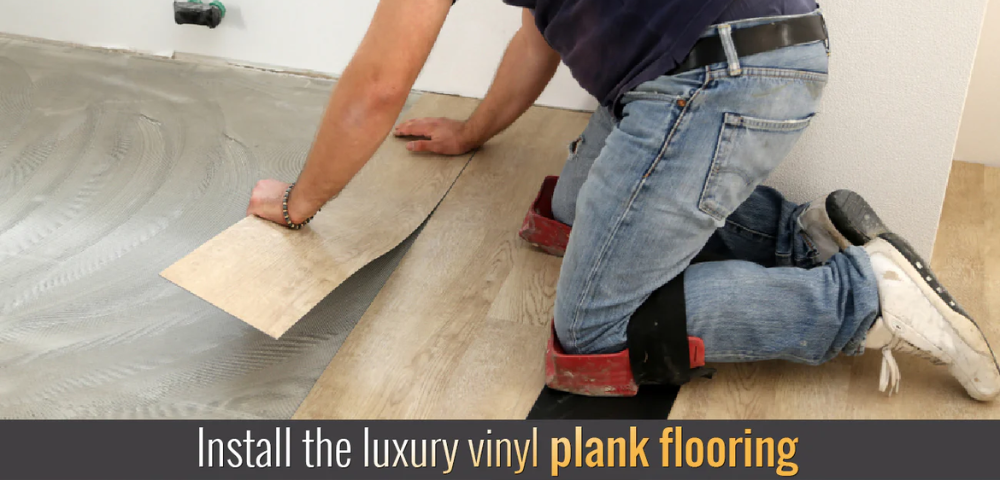
Commercial flooring installation is a professional undertaking that goes beyond simple placement. It begins with a thorough assessment of the subfloor, which must be clean, dry, and level. Surface preparation is crucial, as uneven or damaged subfloors can lead to premature failure of the new flooring. This might involve grinding, patching, or applying a self-leveling underlayment. The chosen flooring material then needs to be cut precisely to fit the space, often involving intricate patterns or cuts around columns and doorways. Adhesives or other fastening methods are applied according to manufacturer specifications. For certain materials like tile or VCT, grouting or sealing is a subsequent step. Proper curing times for adhesives and sealants must be observed. The entire process demands attention to detail to ensure a seamless, durable, and aesthetically pleasing finish.
Beyond Flooring: Related Commercial Construction Services
While commercial flooring is a specialty, it’s often part of a larger project. Businesses undertaking restaurant & hospitality build-outs or retail & storefront construction frequently integrate flooring with other interior and exterior enhancements. This can include anything from custom cabinetry and counter installations to exterior lighting installation to improve storefront visibility. For businesses looking to expand or reconfigure their space, services like pergola & gazebo construction or outdoor kitchen construction can enhance customer experience or provide additional functional areas. Retaining wall construction might be necessary for landscape design or site stability. These related services ensure a cohesive and well-executed commercial space that meets all functional and aesthetic goals.
Common questions
What are the most durable commercial flooring options?
The most durable commercial flooring options typically include epoxy coatings, polished concrete, and high-quality vinyl (LVT/VCT). These materials are engineered to withstand heavy foot traffic and resist wear and tear, making them suitable for demanding business environments.
How long does commercial flooring installation typically take?
The duration of commercial flooring installation varies significantly based on the size of the space, the type of material chosen, and the complexity of the job. Simple VCT or carpet tile installations in a small office might take a few days, while large-scale projects with specialized materials and extensive subfloor preparation can take weeks.
What factors influence the cost of commercial flooring?
Several factors influence the cost of commercial flooring, including the chosen material, the total square footage, the required subfloor preparation, the complexity of the installation pattern, and any necessary demolition of existing flooring. High-end materials and intricate designs will naturally increase the overall investment.
Is specific maintenance required for commercial flooring?
Yes, most commercial flooring requires specific maintenance routines to ensure longevity and preserve its appearance. This can include regular sweeping and mopping with appropriate cleaning solutions, periodic deep cleaning, and prompt attention to spills or damage. Specific maintenance needs vary by material.