Skip to content


Selecting the right flooring for your commercial space in Tarzana is a critical decision that impacts aesthetics, functionality, and durability. Whether you’re undertaking restaurant & hospitality build-outs, retail & storefront construction, or updating an existing office, the flooring plays a pivotal role. This guide helps business owners understand the key elements involved in choosing commercial flooring solutions that meet their specific operational demands and budgetary requirements.
Key points
- Assess your business’s specific needs regarding traffic, spills, and safety before choosing flooring.
- Consider durable materials like vinyl, polished concrete, or epoxy for high-traffic areas.
- Ensure proper subfloor preparation for a successful and long-lasting installation.
- Evaluate maintenance requirements and long-term costs when making your selection.
- Partner with experienced commercial flooring providers for expert advice and installation.
Understanding Your Business Needs
Before exploring material options, it’s essential to assess the daily demands of your commercial environment. Consider the foot traffic volume, potential for spills and stains, and the need for specialized properties like slip resistance or acoustic dampening. A high-traffic retail store will require a different solution than a quiet office or a busy restaurant kitchen. Understanding these unique operational needs will guide you toward the most suitable flooring types.
Key Commercial Flooring Materials
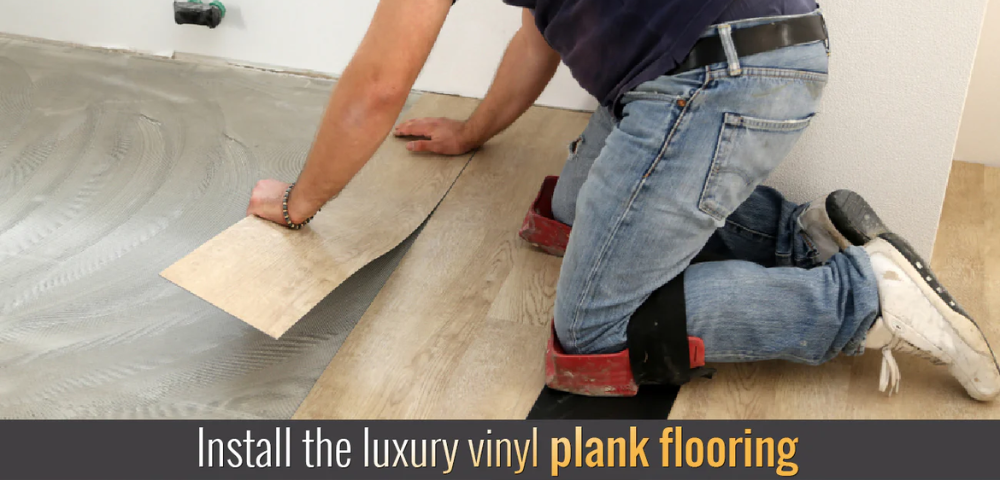
The market offers a wide array of materials, each with distinct advantages. Vinyl flooring, including Luxury Vinyl Tile (LVT) and Vinyl Composition Tile (VCT), is a popular choice for its resilience, water resistance, and ease of maintenance, making it suitable for various commercial settings. Polished concrete offers a modern, durable, and low-maintenance option, especially for industrial or retail spaces. Epoxy coatings provide a seamless, chemical-resistant surface ideal for garages or manufacturing facilities. For a more upscale feel, consider options like engineered hardwood or premium carpet tiles, though their durability in high-moisture or heavy-traffic areas may be a concern. Rubber flooring is excellent for gyms or play areas due to its shock-absorbent properties and slip resistance.
Installation and Subfloor Considerations
The installation process is as crucial as the material selection. A professional installation ensures the flooring is laid correctly, maximizing its lifespan and performance. The condition of your subfloor is a primary factor; any unevenness, moisture issues, or damage must be addressed before new flooring is installed. Proper preparation prevents future problems like warping, cracking, or delamination. For businesses requiring minimal disruption, consider flooring types that can be installed quickly or over existing surfaces where appropriate. Experienced providers can assess your subfloor and recommend the best installation approach.
Maintenance and Long-Term Value
The long-term cost of commercial flooring is significantly influenced by its maintenance requirements. Easy-to-clean materials can reduce labor costs and keep your business looking its best. Consider the recommended cleaning methods and products for each material. While some initial investments might be higher, durable and low-maintenance options often provide better long-term value. Factor in the potential for repairs or replacement over the lifespan of the flooring. A robust, well-maintained floor contributes to a positive business image and operational efficiency.
Working with a Provider
Choosing a reputable provider for commercial flooring solutions in Tarzana involves looking for experience, clear communication, and a portfolio of successful projects. A good provider will offer a thorough consultation, assess your space, discuss material options based on your needs, and provide a detailed proposal. They should also be knowledgeable about local building codes and regulations. Don’t hesitate to ask for references and review past work, especially for projects similar to yours, such as restaurant & hospitality build-outs or retail spaces.
Common questions
What are the most durable flooring options for a high-traffic business?
For high-traffic commercial environments, durable options typically include polished concrete, high-quality vinyl (like LVT), and epoxy coatings. These materials are designed to withstand significant wear and tear, resist stains, and are relatively easy to maintain.
How long does commercial flooring installation typically take?
The duration of commercial flooring installation varies greatly depending on the size of the space, the type of material chosen, and the complexity of the installation. Simple vinyl or tile installations might take a few days, while large-scale projects or those requiring extensive subfloor preparation could take weeks.
What is the difference between residential and commercial flooring?
Commercial flooring is engineered to be significantly more durable, resistant to heavy foot traffic, stains, and impacts than residential flooring. It must also meet stricter safety standards for fire resistance and slip prevention, and often requires more specialized installation techniques to ensure longevity in a business setting.
Can I install new flooring over my existing floor?
In some cases, new flooring can be installed over an existing floor, particularly if the existing surface is level, stable, and in good condition. Vinyl or laminate flooring, for example, can sometimes be laid over existing tile or concrete. However, this is not always advisable, and a professional assessment is necessary to determine if the subfloor is suitable for a double layer.