Skip to content


Transforming your office space through renovation can significantly impact employee morale, client perception, and overall business efficiency. Understanding what drives the costs associated with office renovations is crucial for effective planning and budgeting. This guide breaks down the primary factors that influence the investment required to create a modern, functional, and inspiring workspace.
Key points
- The scope and scale of office renovations are primary cost determinants.
- Design complexity and the choice of custom elements increase project expenses.
- Material selection, from flooring to fixtures, significantly influences the budget.
- Labor costs vary based on trade expertise and project duration.
- Permits and unexpected issues can add to the overall investment.
- Integrating technology and infrastructure upgrades contributes to renovation costs.
The Scope of Your Office Renovation Project
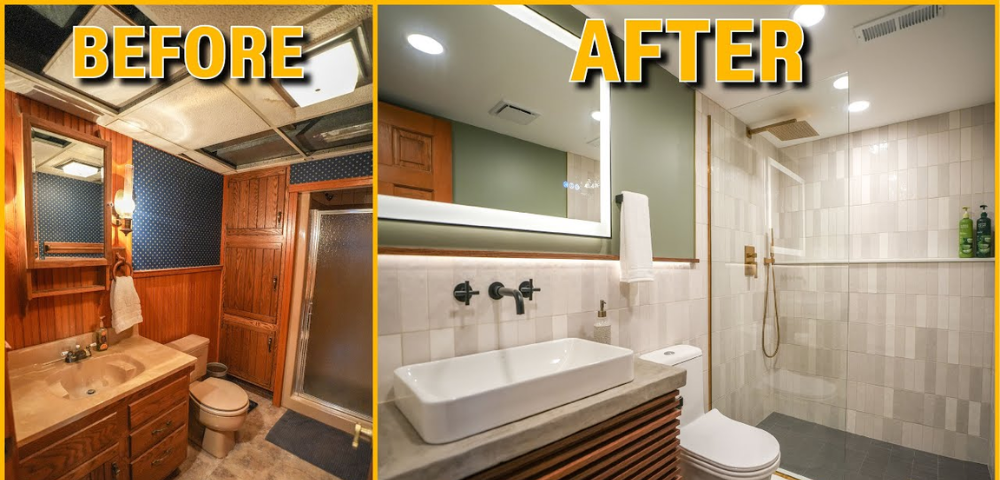
The sheer scale of the work is perhaps the most significant determinant of cost. A minor refresh, such as repainting or updating lighting, will naturally be less expensive than a comprehensive overhaul. Major renovations might involve reconfiguring layouts, relocating walls, upgrading HVAC systems, or complete electrical rewiring. The more extensive the changes, the higher the labor and material expenses will be. For instance, structural modifications or the addition of new rooms will require more time, specialized skills, and materials, driving up the overall price.
Design Complexity and Customization
The level of detail and uniqueness in your office design plays a substantial role in the final cost. Standard, straightforward designs are generally more budget-friendly. However, if you opt for custom-built cabinetry, bespoke furniture, intricate architectural details, or unique branding integration, these elements will increase expenses. High-end finishes and specialized design features, while potentially enhancing the aesthetic and functionality, require more skilled labor and premium materials, thus impacting the budget.
Material Selection and Quality
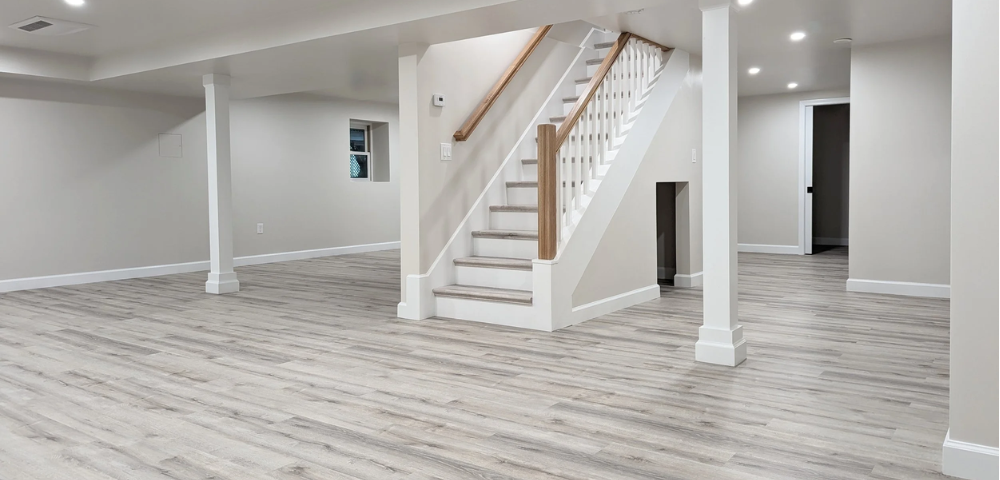
The types of materials chosen for your office renovation are direct cost drivers. Options range from budget-conscious choices to luxurious, high-performance selections. For flooring, for example, durable commercial vinyl or laminate might be a cost-effective solution, whereas natural stone, high-grade hardwood, or specialized commercial flooring solutions can significantly increase the budget. Similarly, the quality of paint, lighting fixtures, hardware, and acoustic materials will influence the total investment. Opting for sustainable or specialty materials may also come at a premium.
Labor Costs and Trade Expertise
The cost of labor is a critical component of any renovation project. This includes the wages for skilled tradespeople such as carpenters, electricians, plumbers, painters, and general laborers. The complexity of the work, the prevailing local labor rates, and the number of specialists required all factor into this cost. Projects demanding specialized expertise, such as intricate electrical work for advanced IT infrastructure or custom millwork, will command higher labor rates. The duration of the project also impacts labor costs; longer projects naturally incur higher expenses.
Permits, Regulations, and Hidden Costs
Depending on the scope of your office renovations and local building codes, obtaining necessary permits is often a requirement. The fees associated with these permits can add to the overall project cost. Furthermore, unforeseen issues can arise during any renovation. Discovering outdated electrical systems, plumbing problems, or structural defects behind walls can lead to unexpected expenses. It is wise to allocate a contingency fund within your budget to cover these potential surprises. This is especially true for older buildings or those undergoing significant structural changes.
Technology and Infrastructure Upgrades
Modern offices rely heavily on integrated technology and robust infrastructure. Upgrading or installing new systems, such as advanced network cabling, improved Wi-Fi coverage, specialized audio-visual equipment, or enhanced security systems, will add to the renovation cost. The complexity of integrating these systems seamlessly into the renovated space requires careful planning and skilled technicians, contributing to the overall investment.
Common questions
What are the main factors influencing office renovation costs?
The primary factors influencing office renovation costs are the scope of the project, the complexity of the design, the quality and type of materials selected, labor expenses, and any required permits or unforeseen issues that may arise.
How does the size of the office impact renovation costs?
Larger offices generally incur higher renovation costs due to the increased amount of materials, labor hours, and the overall scale of work required to complete the project.
Are permits a significant cost factor in office renovations?
Yes, permit fees can be a notable part of the budget, especially for projects involving structural changes, electrical, or plumbing work, as they ensure compliance with local building codes and safety regulations.
Can choosing specific materials like commercial flooring solutions affect the price?
Absolutely. The selection of materials, including commercial flooring solutions, finishes, fixtures, and furnishings, directly impacts the budget. Higher-end or specialized materials will naturally cost more than standard options.